
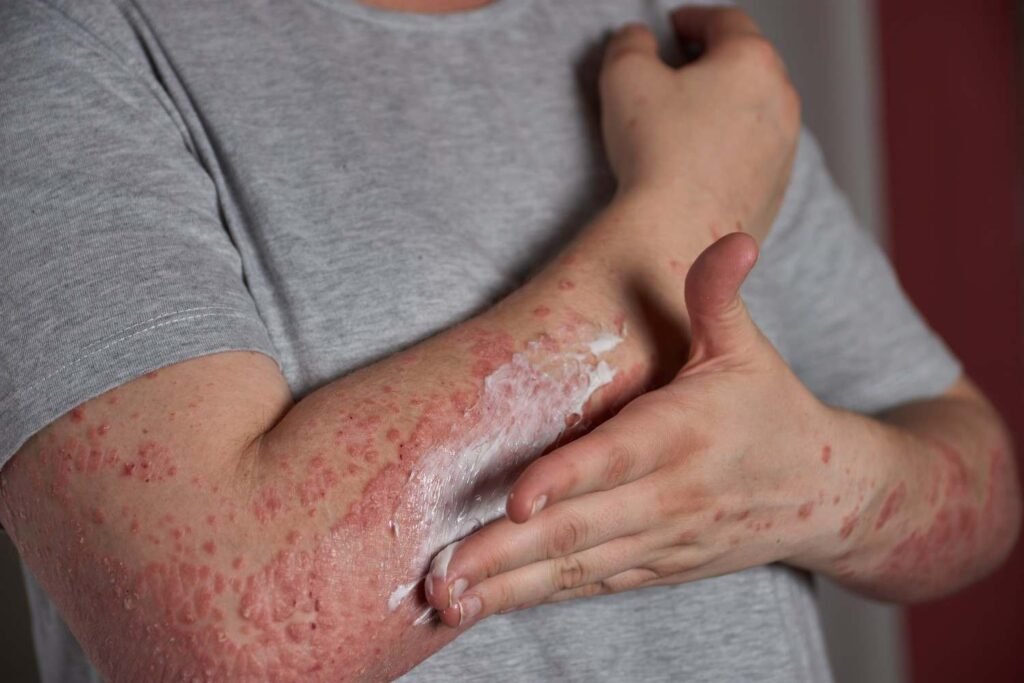
Fungal infections can be frustrating, especially when the itching, redness, scaling, or discomfort disappears after treatment but returns again after a few weeks or months. If you are dealing with repeated episodes, consulting a Fungal Infection Doctor in Noida can help identify why the infection keeps coming back instead of simply treating the symptoms each time.
Recurring fungal infections are not always caused by ineffective medicines. Several factors, including incomplete treatment, moisture, sweating, reinfection, unsuitable skincare habits, or an incorrect diagnosis, can contribute to recurrence. Understanding these factors is an important step towards better skin health.
For more information, direct chat with us on WhatsApp.
What Causes Fungal Infections to Return?
Fungal infections thrive in warm, moist environments. Areas such as the groin, underarms, feet, and skin folds can provide suitable conditions for fungal growth.
However, the reason for recurrence can vary from person to person.
Treatment May Have Been Stopped Too Early
One common reason is stopping treatment as soon as the visible symptoms improve. The itching and redness may settle before the infection has completely cleared.
When treatment is discontinued prematurely, remaining fungal organisms may multiply again. This can make it appear as though the infection has suddenly returned.
A dermatologist can determine the appropriate treatment duration based on the type and location of the infection.
Excessive Moisture and Sweating
Sweat does not directly cause every fungal infection, but persistent moisture can create conditions in which fungi grow more easily.
People who sweat heavily or spend long periods in damp clothing may be more prone to recurrent skin infections. Wearing breathable clothing, changing sweaty clothes promptly, and keeping affected areas dry can help reduce moisture-related problems.
Reinfection From Clothing or Personal Items
Sometimes, the original infection may have improved, but the person becomes exposed to the fungus again.
Towels, clothing, socks, footwear, and other frequently used items can sometimes contribute to repeated exposure if proper hygiene and cleaning practices are not followed.
Keeping personal items clean and avoiding sharing towels or clothing can be helpful, particularly when someone in the household has a fungal infection.
Could It Be the Wrong Diagnosis?
Not every itchy or red skin rash is fungal.
Conditions such as eczema, psoriasis, contact dermatitis, and certain other skin disorders can sometimes look similar to a fungal infection. Treating such conditions repeatedly with antifungal medication may not address the actual cause.
This is why professional evaluation matters when a rash keeps returning.
A Fungal Infection Doctor in Noida can examine the affected skin and, when necessary, recommend appropriate testing to distinguish a fungal infection from other skin conditions.
Factors That Can Increase the Risk of Recurrence
Certain everyday habits and health-related factors may make fungal infections more likely to recur.
These can include:
- Frequent sweating
- Tight or non-breathable clothing
- Keeping the skin damp for prolonged periods
- Walking barefoot in shared wet areas
- Sharing towels or clothing
- Inadequate drying after bathing
- Repeated exposure to an infected person
- Certain medicines or health conditions that affect the body’s ability to fight infections
Having one of these factors does not necessarily mean an infection will recur. However, identifying personal triggers can make prevention easier.
Our Google Maps location for physical visit
How Can You Reduce the Chances of Another Infection?
Preventing recurrent fungal infections involves more than applying medication whenever symptoms appear.
Keep Skin Clean and Dry
Wash regularly and dry the skin carefully, particularly between the toes and around skin folds. Avoid leaving damp areas covered for long periods.
Choose Breathable Clothing
Loose, breathable clothing can reduce heat and moisture buildup. Change clothes after excessive sweating and wash them regularly.
Do Not Share Personal Items
Avoid sharing towels, socks, clothing, footwear, or other personal items that come into prolonged contact with the skin.
Follow the Prescribed Treatment
If your dermatologist prescribes an antifungal cream, lotion, tablet, or another treatment, follow the instructions carefully. Do not increase, decrease, or stop the treatment on your own.
The right treatment also depends on the type and location of the fungal infection. A treatment suitable for one infection may not be appropriate for another.
When Should You See a Dermatologist?
Occasional fungal infections may improve with appropriate treatment, but repeated infections deserve closer attention.
Consider seeing a dermatologist if:
- The infection keeps returning
- Symptoms do not improve with treatment
- The rash is spreading
- Severe itching or irritation develops
- Several areas of the body are affected
- You are unsure whether the rash is actually fungal
- Someone else in the household has similar symptoms
At The Skin Smiths Clinic, proper evaluation can help determine whether recurring symptoms are due to a fungal infection or another skin condition. Seeking advice from a Fungal Infection Doctor in Noida can also help you understand the factors contributing to recurrence and choose an appropriate treatment approach.
The Skin Smiths Clinic focuses on evaluating skin concerns carefully rather than assuming that every recurring rash has the same cause. This distinction can be important when previous treatments have provided only temporary relief.
Conclusion
A fungal infection that keeps returning should not simply be treated repeatedly without understanding the reason behind the recurrence. Incomplete treatment, moisture, sweating, reinfection, and misdiagnosis can all play a role.
Good skin hygiene and keeping vulnerable areas dry can help reduce risk, but persistent or recurring symptoms may require professional evaluation. Consulting a Fungal Infection Doctor in Noida can help identify the underlying cause and guide you towards a more suitable treatment and prevention plan.