
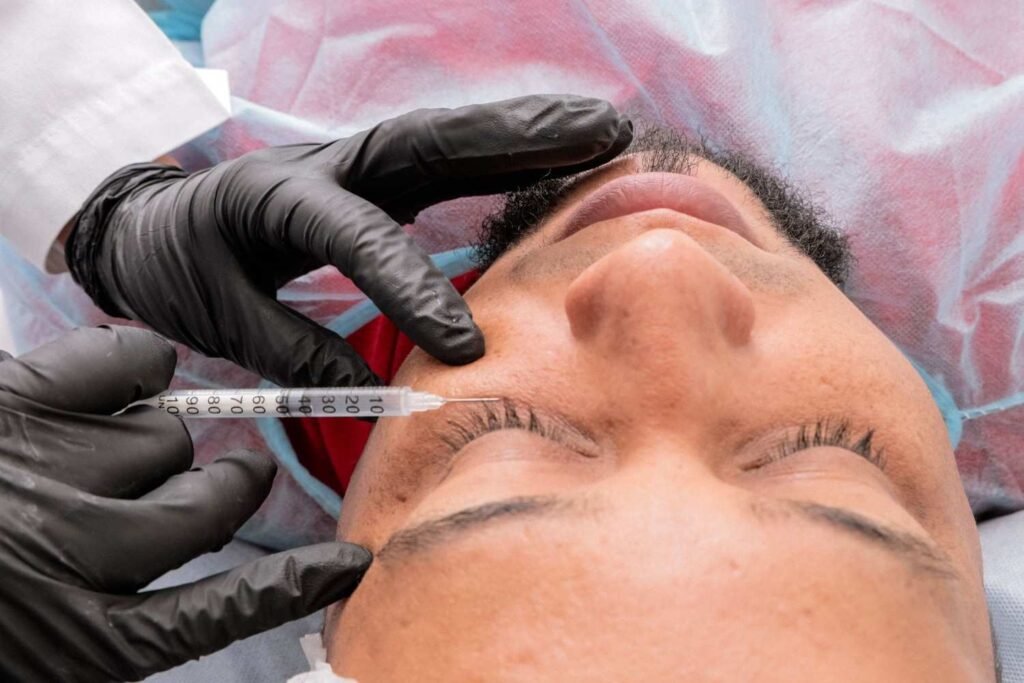
Healthy, glowing skin can boost confidence, but concerns such as uneven texture, fine lines, acne scars, and dullness can affect its appearance. Platelet-Rich Plasma (PRP) treatment is a popular skin rejuvenation option that uses components from your own blood to support the skin’s natural repair processes. PRP Treatment in Noida may help improve skin texture, soften the appearance of fine lines, and promote a fresher-looking complexion. At Skin Smiths Clinic, understanding your skin concerns is an important first step toward choosing a suitable treatment.
PRP is not an instant solution or a replacement for every skincare treatment. However, it may offer gradual improvements for selected patients when performed by a qualified professional.
For more information, direct chat with us on WhatsApp.
What Is PRP Treatment for Skin?
PRP stands for Platelet-Rich Plasma. It is prepared using a small sample of the patient’s blood. The sample is processed in a centrifuge to separate the platelet-rich portion from other blood components.
Platelets contain growth factors that play a role in tissue repair. When prepared and applied appropriately, PRP may support the skin’s natural healing response and collagen production.
Collagen is a protein that helps keep skin firm and smooth. Its production gradually decreases with age. As a result, the skin may develop fine lines, uneven texture, and reduced elasticity.
Skin Smiths Clinic recommends a professional skin assessment before treatment to determine whether PRP is appropriate for your concerns.
How Does PRP Treatment in Noida Improve Skin Texture?
PRP may support several aspects of skin rejuvenation. Results vary depending on your skin condition, treatment method, and individual response.
Supports Collagen Production
Collagen helps maintain skin firmness and structure. PRP may stimulate processes involved in collagen formation and tissue repair.
Over time, this may help improve the appearance of rough or tired-looking skin. However, the degree of improvement differs from person to person.
Helps Soften Fine Lines
Fine lines can develop due to ageing, sun exposure, and gradual changes in skin elasticity. PRP may help soften the appearance of some fine lines by supporting skin quality.
It does not work like a filler, and it cannot eliminate every wrinkle. A consultation can help establish realistic expectations.
Improves the Appearance of Acne Scars
Acne scars can leave the skin looking uneven or textured. PRP is sometimes combined with microneedling or other procedures to support skin repair and improve the appearance of selected scars.
The best approach depends on the type and depth of scarring. Deep or raised scars may require a different treatment plan.
Promotes a Fresher-Looking Complexion
Skin can appear dull due to sun damage, ageing, and changes in its surface texture. By supporting the skin’s repair processes, PRP may help improve its overall appearance.
However, it is not a guaranteed treatment for pigmentation or every cause of dullness. A dermatologist can recommend suitable options based on the underlying concern.
Who May Benefit From PRP Skin Rejuvenation?
PRP may be considered for adults who want to address certain visible signs of skin ageing or improve skin texture.
You may wish to discuss PRP if you have:
- Mild fine lines and early signs of ageing
- Uneven skin texture
- Selected types of acne scars
- Reduced skin firmness
- A dull or tired-looking complexion
Not everyone is a suitable candidate. Certain blood disorders, low platelet counts, active infections, and some medical conditions may affect eligibility. Your medical history should be reviewed before treatment.
At Skin Smiths Clinic, a professional consultation can help determine whether PRP or another skin treatment better suits your needs.
What Happens During PRP Treatment?
Understanding the procedure can help you feel more comfortable before your appointment.
Step 1: Skin assessment: The practitioner examines your skin, discusses your concerns, and reviews your medical history.
Step 2: Blood collection: A small amount of blood is collected using standard clinical precautions.
Step 3: PRP preparation: The sample is processed in a centrifuge to separate the platelet-rich plasma.
Step 4: Application: The prepared PRP is applied or delivered to the target area using the selected technique. Depending on your treatment plan, this may involve injections or microneedling.
Step 5: Aftercare: You receive instructions to help protect your skin during recovery.
Mild redness, swelling, tenderness, or bruising may occur after treatment. Proper sterile technique is essential to reduce the risk of infection.
When Can You Expect to See Results?
PRP works gradually, so visible changes may take several weeks to appear. Some people notice improvements in skin texture over time, while others experience limited results.
The number of sessions depends on your skin concerns and the practitioner’s assessment. Maintenance sessions may be suggested in selected cases.
Evidence for facial rejuvenation is promising but remains limited. Research suggests PRP may provide modest improvements in skin texture and the appearance of fine lines, although results are not guaranteed.
Skin Smiths Clinic encourages patients to focus on realistic goals rather than expecting dramatic or immediate changes.
How to Maintain Your Results After PRP
A consistent skincare routine can help support your skin after treatment. Follow your practitioner’s instructions and avoid introducing irritating products until your skin has recovered.
Helpful habits include:
- Apply broad-spectrum sunscreen daily.
- Use a gentle cleanser and suitable moisturiser.
- Stay hydrated and eat a balanced diet.
- Avoid smoking.
- Follow your recommended treatment and follow-up schedule.
Sun protection is particularly important because repeated sun exposure can contribute to premature skin ageing and uneven texture.
Conclusion
PRP treatment may help improve skin texture, soften the appearance of fine lines, and support a healthier-looking complexion by encouraging the skin’s natural repair processes. However, results depend on individual skin concerns, treatment methods, and overall skin health.
Choosing PRP Treatment in Noida should begin with a professional assessment and a clear understanding of the potential benefits and limitations. Skin Smiths Clinic encourages patients to explore personalised treatment options and follow appropriate aftercare for the best possible outcome.
Frequently Asked Questions
Is PRP treatment suitable for all skin types?
Not always. A professional assessment is needed to determine suitability.
How many PRP sessions are needed?
The number varies according to your skin concerns and response to treatment.
Is PRP treatment painful?
Some discomfort may occur. The practitioner can discuss ways to improve comfort.
Are PRP results permanent?
No. Results vary and may gradually diminish over time.