
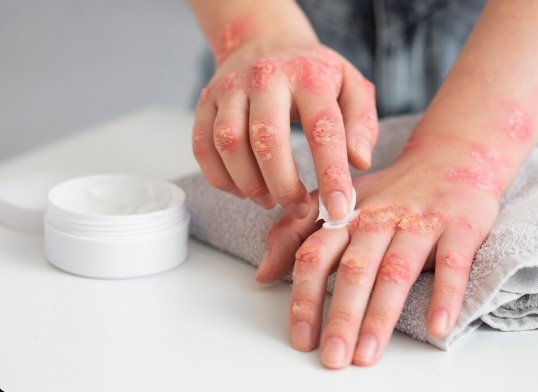
Excessive sweating and wearing tight clothes may seem like minor skin concerns, but they can increase the risk of fungal infections. Warm and moist skin creates an ideal environment for fungi to grow. This is especially common during hot and humid weather. If you frequently experience itching, redness, rashes, or skin irritation, consulting a dermatologist for Fungal Infection Treatment in Noida can help identify the cause and provide appropriate care. At Skin Smiths Clinic, patients can seek professional guidance for managing different types of fungal skin infections.
For more information, direct chat with us on WhatsApp.
How Does Excessive Sweating Increase the Risk of Fungal Infections?
Sweating is a natural process that helps regulate body temperature. However, excessive sweating can leave certain areas of the body damp for extended periods. Fungi thrive in warm and moist environments, making sweaty skin more vulnerable to infection.
Common areas affected include:
- Underarms and skin folds.
- Inner thighs and groin area.
- Feet and spaces between the toes.
- Areas beneath the breasts.
- Waistline and other skin folds.
When sweat remains trapped against the skin, irritation and fungal growth may develop. If symptoms continue or spread, seeking Fungal Infection Treatment in Noida can help prevent the condition from becoming more uncomfortable.
Can Wearing Tight Clothes Cause Fungal Skin Infections?
Yes, wearing tight clothing can contribute to fungal infections, particularly when combined with excessive sweating. Clothes that fit too closely may restrict airflow and trap moisture against the skin.
Synthetic fabrics can also make it harder for sweat to evaporate. As a result, the skin remains warm and damp for longer periods.
To reduce this risk, choose breathable fabrics such as cotton and wear comfortable clothing. Changing out of sweaty clothes after exercise is equally important. Skin Smiths Clinic recommends maintaining simple clothing and hygiene habits to support healthier skin.
Common Signs and Symptoms of Fungal Skin Infections
Fungal infections can affect different parts of the body and may cause symptoms that vary from person to person. Recognising early signs can help you seek timely care.
Some common symptoms include:
- Persistent itching or irritation.
- Red, circular, or spreading patches.
- Dry, flaky, or peeling skin.
- Burning or uncomfortable sensations.
- Rashes in areas where skin folds touch.
- Cracked skin, especially between the toes.
These symptoms should not be ignored. A dermatologist can examine the affected area and recommend suitable Fungal Infection Treatment in Noida based on the infection type and severity.
How Can You Prevent Fungal Skin Infections?
Good hygiene and a few everyday lifestyle changes can help lower the chances of fungal skin infections. Prevention is particularly important for people who sweat heavily or spend long hours wearing tight clothing.
Here are some useful tips:
1. Wear Breathable Clothing: Choose loose-fitting cotton clothes that allow air circulation and help absorb moisture.
2. Keep Your Skin Dry: Dry your body properly after bathing, especially between the toes and around skin folds.
3. Change Sweaty Clothes: Avoid wearing damp clothes for long periods. Change into fresh clothes after workouts or outdoor activities.
4. Maintain Personal Hygiene: Bathe regularly and use a clean, separate towel. Avoid sharing personal items such as towels and clothing.
5. Avoid Self-Medication: Do not use random creams or steroid-based products without medical advice, as they may worsen certain fungal infections.
Following these habits can support recovery and reduce the risk of repeated infections.
Our Google Maps location for physical visit
When Should You Visit a Dermatologist?
Sometimes, fungal infections may look similar to eczema, allergies, or other skin conditions. Therefore, identifying the exact cause is important before starting treatment.
You should consult a dermatologist if:
- The rash continues to spread.
- Itching becomes severe or uncomfortable.
- The infection keeps returning.
- Over-the-counter creams do not improve symptoms.
- The affected skin develops cracks or inflammation.
At Skin Smiths Clinic, proper skin assessment can help determine the nature of the infection. Depending on the diagnosis, the dermatologist may recommend topical or oral antifungal medication.
If you are looking for Fungal Infection Treatment in Noida, professional consultation can help you receive a suitable treatment plan. Skin Smiths Clinic encourages patients to avoid delaying treatment, especially when symptoms persist.
How Does Skin Smiths Clinic Help Manage Fungal Infections?
Managing fungal infections requires the right diagnosis, appropriate medication, and consistent skincare practices. Skin Smiths Clinic focuses on understanding the patient’s skin concerns before recommending treatment.
The approach may include:
- Evaluating the affected skin area.
- Identifying possible causes and triggers.
- Recommending suitable antifungal treatment.
- Providing guidance on hygiene and skincare.
- Advising patients on preventing future infections.
For people searching for Fungal Infection Treatment in Noida, Skin Smiths Clinic offers professional dermatological guidance to help manage fungal skin concerns.
Conclusion
Excessive sweating and tight clothing can increase the risk of fungal skin infections by trapping heat and moisture against the skin. However, simple habits such as wearing breathable clothes, maintaining personal hygiene, and keeping skin folds dry can help reduce this risk.
If you notice persistent itching, redness, or unusual skin patches, do not ignore these symptoms. Consult a dermatologist for timely evaluation and appropriate Fungal Infection Treatment in Noida.
At Skin Smiths Clinic, the focus is on understanding individual skin concerns and recommending suitable care for healthier skin.
Frequently Asked Questions
1. Can excessive sweating cause fungal infections?
Yes. Excessive sweating creates warm and moist conditions that encourage fungal growth.
2. Do tight clothes increase fungal infection risk?
Yes. Tight clothing can trap moisture and increase friction against the skin.
3. Which clothes are best for preventing fungal infections?
Loose-fitting cotton clothes are generally preferable because they allow better airflow.
4. Can fungal skin infections come back?
Yes. Recurrence is possible, especially when treatment is incomplete or moisture-related triggers continue.