
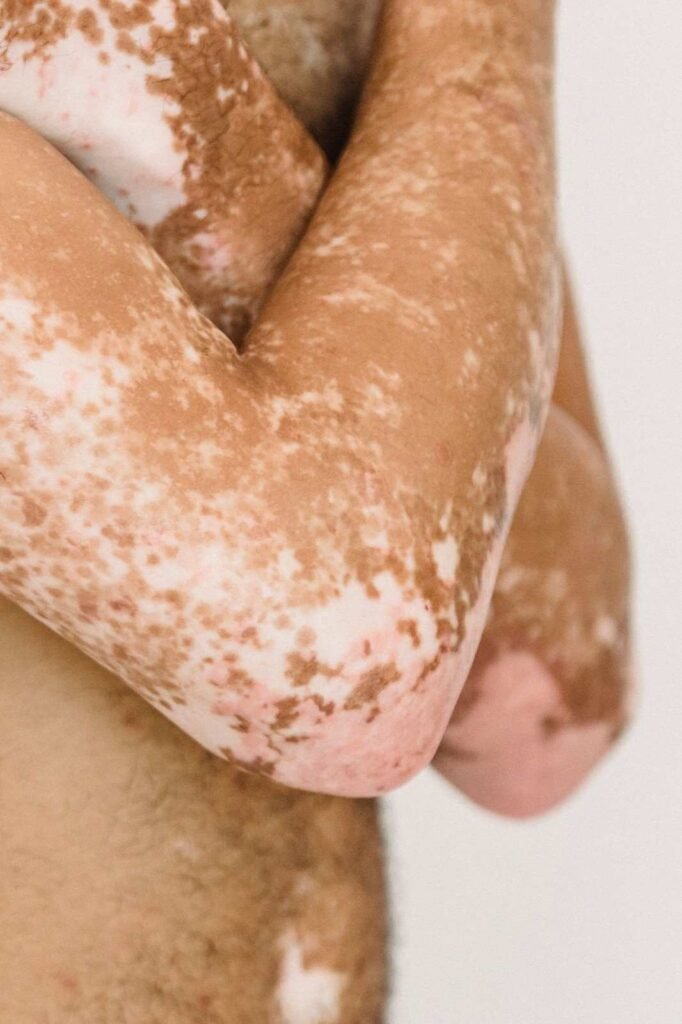
Skin rashes are common and can happen for many reasons, from allergies and irritation to infections and chronic skin conditions. However, not every red or itchy patch is the same. Psoriasis Treatment in Noida can be considered when skin changes are persistent, recurring, or accompanied by other typical signs of psoriasis.
Psoriasis is a chronic inflammatory skin condition that can look similar to eczema, allergic rashes, fungal infections, or contact dermatitis. Knowing some of the differences can help you understand when it may be time to consult a dermatologist. Skin Smiths Clinic focuses on helping patients understand their skin concerns and seek appropriate evaluation rather than relying on self-diagnosis.
For more information, direct chat with us on WhatsApp.
What Is Psoriasis?
Psoriasis is a long-term inflammatory skin condition that causes skin cells to build up more quickly than usual. This can result in thickened, raised patches of skin.
Psoriasis commonly appears as:
- Red or inflamed patches
- Dry, scaly skin
- Silvery-white scales on some skin types
- Itching, burning, or discomfort
- Cracked or bleeding skin in more severe areas
It may develop on the elbows, knees, scalp, lower back, or other parts of the body. Some people may also develop changes involving their nails.
The appearance and severity can vary from person to person. This is why an examination by a dermatologist is important before starting treatment.
How Is Psoriasis Different From a Common Skin Rash?
A common skin rash can develop suddenly after exposure to an allergen, irritant, medication, insect bite, infection, or other trigger. Psoriasis, on the other hand, often follows a recurring or persistent pattern.
Look at the Appearance
Psoriasis often produces well-defined, raised patches with dry scaling. Depending on your skin tone, the affected area may appear red, pink, purple, brown, or darker than the surrounding skin.
Other rashes may have different patterns. For example, an allergic rash can appear as small bumps, patches, or raised areas, while some fungal infections may form ring-shaped patches.
Appearance alone, however, is not enough to confirm psoriasis.
Pay Attention to How Long It Lasts
Many temporary rashes improve after the underlying trigger is removed or treated. Psoriasis tends to be persistent and may come and go over time.
If a rash repeatedly returns in the same areas or does not improve as expected, it is worth discussing it with a dermatologist. At Skin Smiths Clinic, a proper assessment can help determine whether the symptoms may be related to psoriasis or another skin condition.
Notice the Scaling
One of the features often associated with plaque psoriasis is a thick, dry scale over raised patches. The scaling can become more noticeable when the skin is very dry.
However, scaling is not exclusive to psoriasis. Conditions such as eczema and fungal infections can also cause flaky or scaly skin. This is why using an over-the-counter cream without knowing the cause may not always provide the expected relief.
What Can Trigger Psoriasis Flare-Ups?
Psoriasis can have periods when symptoms become more noticeable. Certain factors may contribute to flare-ups, although triggers can vary between individuals.
Possible triggers may include:
- Skin injuries or irritation
- Stress
- Certain infections
- Changes in weather
- Dry skin
- Some medications
Keeping track of when symptoms appear or worsen can help you discuss potential triggers with your dermatologist.
Our Google Maps location for physical visit
When Should You See a Dermatologist?
You should consider professional evaluation if a rash:
- Continues for several weeks
- Keeps returning
- Becomes increasingly itchy or painful
- Develops thick or persistent scaling
- Spreads to other parts of the body
- Does not improve with basic skin care
- Affects your daily comfort or confidence
A dermatologist can examine the affected skin and consider your symptoms, medical history, and pattern of flare-ups. In some cases, additional testing may be needed to distinguish psoriasis from another skin condition.
For people looking for Psoriasis Treatment in Noida, getting an accurate diagnosis should be the first step. Treatment depends on the type and severity of psoriasis and the areas affected.
How Is Psoriasis Treated?
There is no single treatment that works for every person with psoriasis. Depending on the condition, a dermatologist may recommend topical medicines, moisturising care, phototherapy, or other prescription treatments.
Treatment aims to control symptoms, reduce inflammation, manage flare-ups, and improve the condition of the skin.
It is also important to follow the recommended treatment plan consistently. Stopping or changing medication without medical advice may affect symptom control.
Skin Smiths Clinic recommends professional evaluation for persistent skin concerns so that treatment can be selected according to the individual’s condition.
Can You Prevent Psoriasis?
Psoriasis cannot always be prevented because several factors can contribute to its development and flare-ups. However, maintaining a gentle skin-care routine may help reduce irritation and dryness.
Using suitable moisturisers, avoiding unnecessary scratching, protecting the skin from injury, and identifying personal triggers can be useful parts of everyday skin care.
If you already have psoriasis, working with a dermatologist can help you understand your condition and manage recurring symptoms.
Frequently Asked Questions
How can I tell if my rash is psoriasis?
Psoriasis may cause persistent, raised patches with dry scaling and can repeatedly flare up. However, eczema, fungal infections, and other conditions can look similar. A dermatologist should confirm the diagnosis.
Is psoriasis always itchy?
No. Psoriasis can cause itching, but not everyone experiences the same symptoms. Some people may mainly notice dryness, scaling, irritation, or discomfort.
Can a common skin rash turn into psoriasis?
A temporary rash does not necessarily turn into psoriasis. Psoriasis is a separate inflammatory skin condition, although certain triggers or skin injuries may contribute to psoriasis appearing or becoming active in susceptible individuals.
Should I use an anti-fungal cream for a scaly rash?
Not unless a fungal infection has been diagnosed or a healthcare professional has advised it. Several skin conditions can cause scaling, and using the wrong treatment may not address the actual cause.
When should I seek Psoriasis Treatment in Noida?
Consider consulting a dermatologist if your skin patches are persistent, repeatedly return, become thick or scaly, or do not respond to basic care. An accurate diagnosis can help guide appropriate Psoriasis Treatment in Noida.
Conclusion
Psoriasis and common skin rashes can sometimes look alike, making self-diagnosis difficult. Persistent, recurring, raised, or scaly patches deserve professional attention, particularly when they interfere with comfort or daily life.
Understanding your symptoms is a useful first step, but an examination by a dermatologist is important for confirming the cause. If you are searching for Psoriasis Treatment in Noida, Skin Smiths Clinic can help you take the next step toward understanding your skin condition and choosing appropriate care.